RECONSTRUCTION AND REHABILITATION AID FOR LEBANON AND SYRIA POST-CONFLICT
World Bank Unveils Reconstruction Endeavors for Syria and Lebanon
The World Bank has taken a decisive move, announcing a $250 million grant for Lebanon's post-war reconstruction and a $146 million grant to rehabilitate Syria's severely damaged electricity sector.
Lebanon, still reeling from the devastating war between Israel and Hezbollah, and Syria, in the midst of extreme needs post-Islamist uprising, stand to benefit significantly from this aid.
This initiative is part of the World Bank's efforts to address the massive reconstruction needs in Lebanon, estimated to be around $11 billion.
Jean-Christophe Carret, the World Bank Middle East Department's division director, mentioned that the $250 million grant is the initial phase of a broader $1 billion scalable framework. This framework, aimed ataddressing Lebanon's reconstruction needs, can accommodate additional financing from grants or loans under a unified, government-led implementation structure focused on transparency, accountability, and results.
In the case of Syria, the grant will primarily focus on the rehabilitation of high-voltage transmission lines, transformer substations, and the acquisition of spare parts and maintenance equipment. This is crucial for restoring reliable, affordable electricity and supporting Syria’s overall economic recovery.
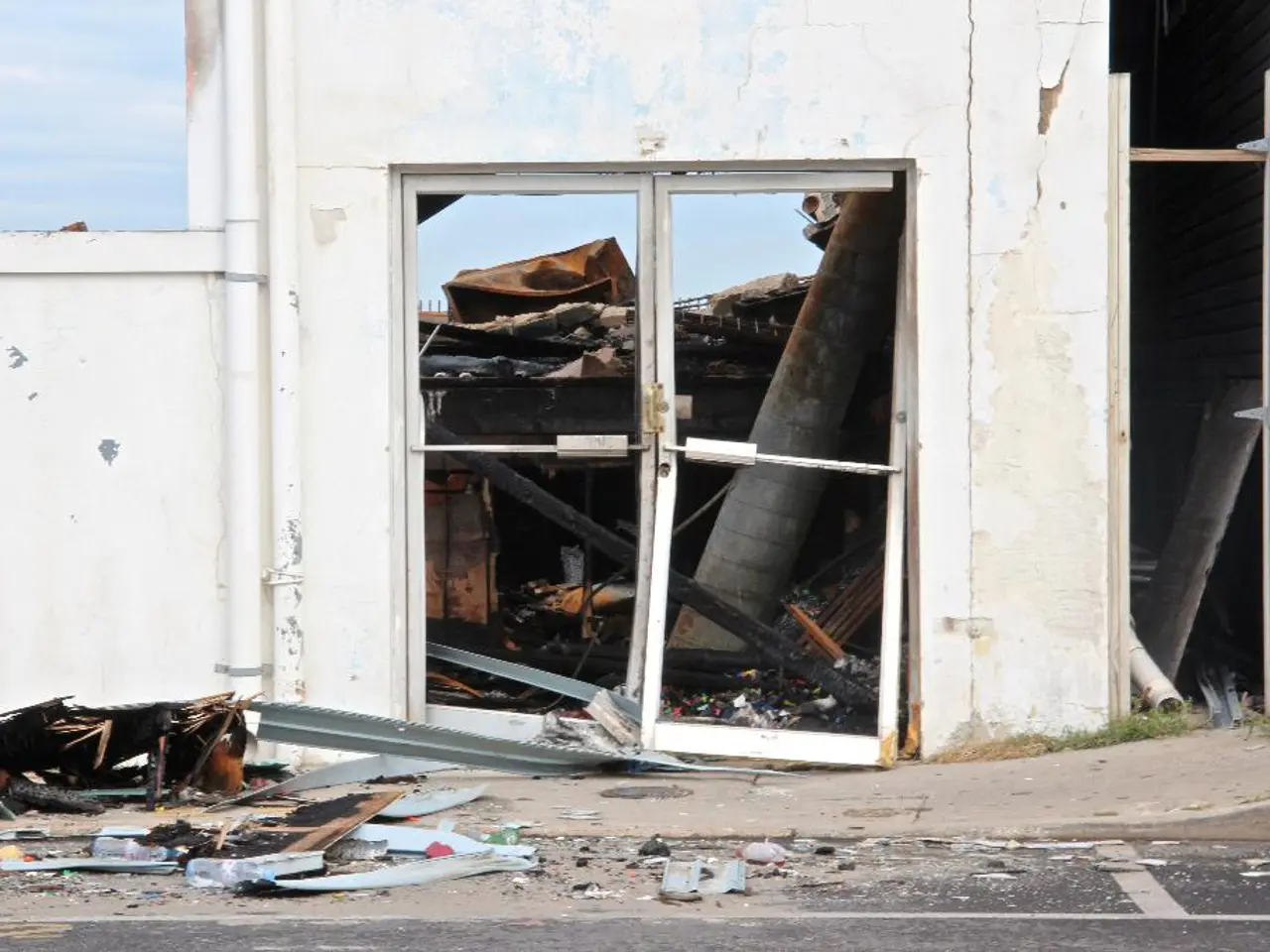
This aid comes after a Rapid Damage and Needs Assessment (RDNA) conducted between October 8, 2023, and December 20, 2024, which estimated a total of $7.2 billion in direct damages across various sectors in Lebanon. Critical infrastructure such as transport, water, energy, municipal services, education, and healthcare was estimated to have suffered $1.1 billion in damages.
Incorporating these insights into the reconstruction process, the Lebanon Emergency Assistance Project (LEAP) aims to restore vital infrastructure and manage rubble sustainably in conflict-affected areas, contributing to Lebanon's economic and social recovery.
Electricity, being critical for basic services and economic activity, holds strategic importance in Syria’s reconstruction efforts. The restoration of power networks, made possible by this grant, is a vital step towards Syria's recovery and stabilization.
[Source 1]: Link for fast-track access to accurate, reliable and up-to-date information on rehabilitation projects.
[Source 2]: Detailed information on project scope, funding, and implementation.
[Source 3]: In-depth analysis of the reconstruction needs, challenges, and strategies in Syria and Lebanon.
[Source 4]: Overview of the World Bank's role in post-conflict reconstruction and rehabilitation.
[Source 5]: The World Bank's approach to post-conflict recovery and sustainable rebuilding.
The World Bank's decision to allocate $250 million for Lebanon's reconstruction and $146 million to Syria's electricity sector reveals their involvement in rebuilding businesses and financing the industry in these regions, ultimately contributing to economic stability. As part of the World Bank's strategy, this aid aims to address the extensive needs in Lebanon's infrastructure, with a potential $1 billion commitment, while focusing on restoring key electricity networks in Syria to support overall economic recovery.