
Unveiling Strategies for Distributor Enterprises: Key Insights into Constructing Robust Business Networks
In the dynamic world of distribution, success lies in specializing in niche or unique products, staying informed about industry trends, and building strong relationships. This article explores promising distributor business ideas for the food and beverage industry, as well as tips for thriving in this competitive landscape.
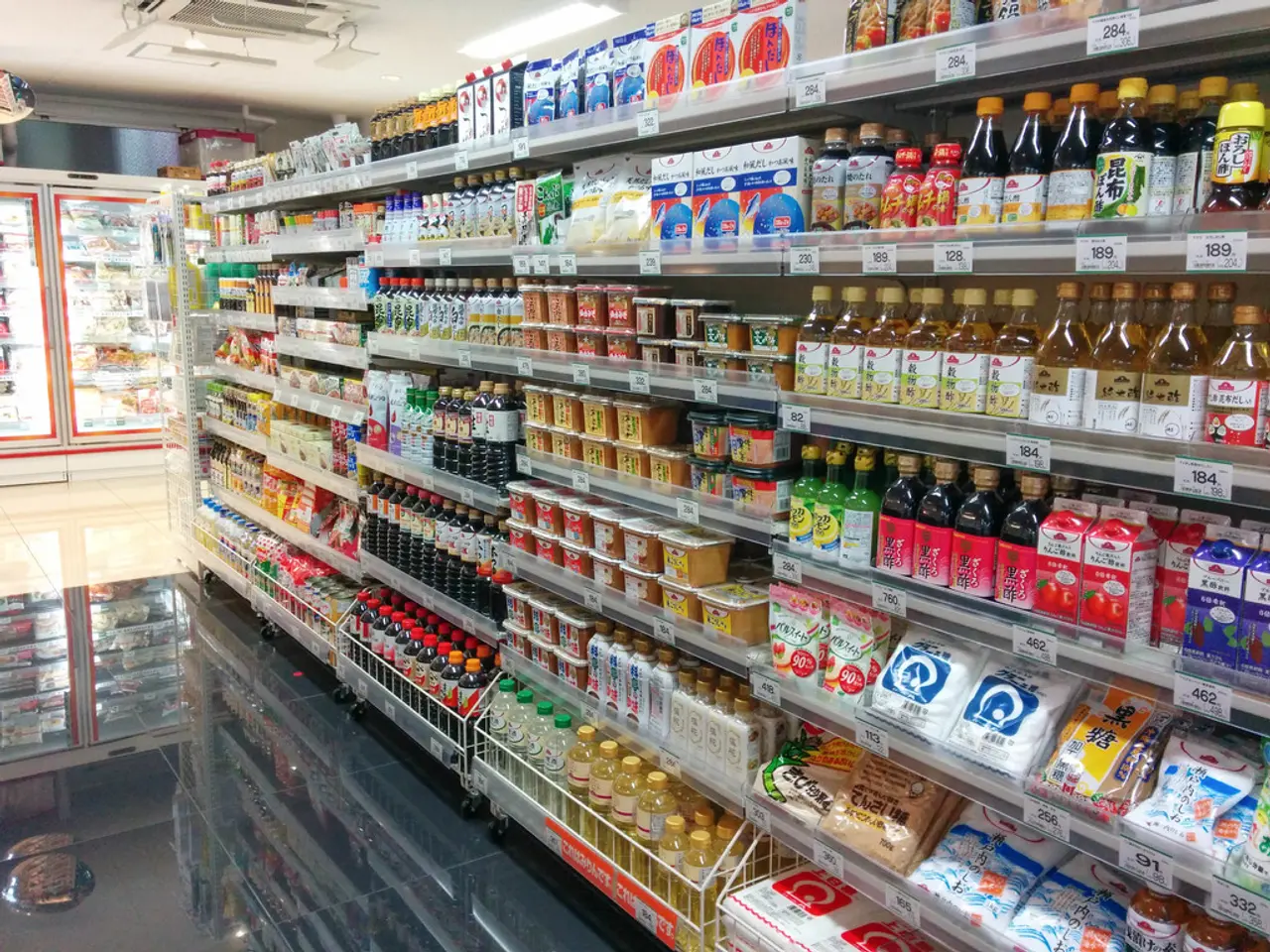
Specialty Food Stores and their online counterparts are gaining traction, focusing on hard-to-find or culturally unique food items. Strong branding and community engagement through events and tastings create a loyal customer base [1]. By offering a wide variety of products, these stores can scale and reach a broader audience.
Food Prep Services cater to convenience-focused consumers with ready-made or partially prepared meals, often on a subscription model. Partnerships with gyms, offices, or health clubs can boost sales [1]. With lower overhead than full restaurants, these businesses need strong differentiation and logistics management to stand out.
FMCG Distribution (Fast-Moving Consumer Goods) is a profitable sector, offering beverages, packaged foods, toiletries, and cleaning products. Partnerships with established brands, consistent demand, and quick inventory turnover make this sector highly profitable in both urban and rural markets [5]. However, investments in this sector can vary, starting from moderate to higher capital.
Juice and Smoothie Bar Distribution supplies outlets like gyms, malls, or cafes. Expanding into offering complementary food items like salads or vegan dishes can increase product variety and customer touchpoints [3].
Ice Cream Distribution for Home-Based Makers can leverage local distribution networks and online marketplaces to maintain steady orders and cash flow without the need for a physical storefront [3].
Industry leaders like Stoelting Foodservice invest in distributor education and strategic collaboration, emphasizing the importance of regular training and staying aligned with current food and beverage trends [2]. Sustainability, menu innovation, and food safety are key areas of focus.
Staying informed and adaptable to industry trends plays a critical role in building a successful distribution network. In the food and beverage industry, specializing in local artisanal products or health and wellness trend products can be lucrative. Technology platforms can streamline operations, provide essential analytics tools, and enhance efficiency, enabling a distributor business to scale and adapt to market demands more effectively.
Building strong relationships with local producers, manufacturers, and other distributors is crucial for creating a successful distribution network. Partnering with local manufacturers can support local businesses, potentially reduce shipping times and costs, and help in building a community-centric brand image.
Catering to niche markets within the distributor business, such as food and beverages, electronics, beauty and skincare, or specialized products and services, can enhance profitability and business success. Leveraging digital marketing and social media to promote your products and connect with your target audience can boost your business's online presence and sales.
Emphasizing sustainable and eco-friendly practices in your distribution business can attract environmentally conscious consumers. In the electronics market, identifying niches like smart home devices, wearable tech, or gaming hardware can lead to success. In the beauty and skincare industry, focusing on clean beauty products or smart skincare devices can be profitable.
In the niche market of eco-friendly products, offering biodegradable packaging or solar-powered gadgets can give you a competitive edge. For example, in the technology industry, focusing on niche tech products like VR accessories, drones, or specifically designed gadgets for gamers can be a ticket to success.
In summary, the most promising distributor business ideas emphasize niche or specialty products, convenience-focused prepared foods, and fast-moving consumer goods, supported by robust logistics and strong industry partnerships. Building a successful distribution network involves fostering meaningful collaborations and forming strategic partnerships to amplify business potential.
- Specialty food stores, both online and physical, are focusing on niche or culturally unique food items and building strong relationships with their customers through events and tastings, contributing to their growth.
- Food prep services, offering ready-made or partially prepared meals, can increase their sales by partnering with gyms, offices, or health clubs and diversifying their offerings to include complementary food items like salads or vegan dishes.
- FMCG (Fast-Moving Consumer Goods) distribution, including beverages, packaged foods, toiletries, and cleaning products, can be highly profitable due to consistent demand, but requires substantial capital investments for entry.
- Juice and smoothie bar distribution, supplying outlets like gyms, malls, or cafes, can thrive by expanding into complementary food items and leveraging technology platforms for efficient operations and analytics.