
Uncovering the Historical Evolution and Modern Application of Green Hydrogen, from Its Origins in 1766 up to the Development of the Gremlin in 1972
The Green Hydrogen Revolution: A Century in the Making
The history of green hydrogen, a potential key to a post-carbon world, can be traced back to 1766 when English scientist Henry Cavendish discovered the element he called "inflammable air." This gas, later named hydrogen by Antoine Lavoisier, was found to produce water upon burning, a breakthrough that paved the way for the understanding of chemical reactions.
In 1839, Welsh scientist Sir William Grove laid the groundwork for hydrogen's future as an energy source by demonstrating the principles of the fuel cell. Grove's "Gas Battery" was capable of generating electricity from hydrogen, with water as the only byproduct. This marked a significant step towards practical hydrogen energy.
Despite these early advancements, hydrogen remained a scientific curiosity for much of the 19th and early 20th centuries. It was used in ballooning and illumination, but challenges in storage and infrastructure kept its energy potential on the margins of feasibility and fantasy.
The oil crises of the 1970s, however, sparked renewed interest in a "hydrogen economy." This vision imagined renewable electricity being used to electrolyze water, producing hydrogen for storage and eventual use in transportation and power generation.
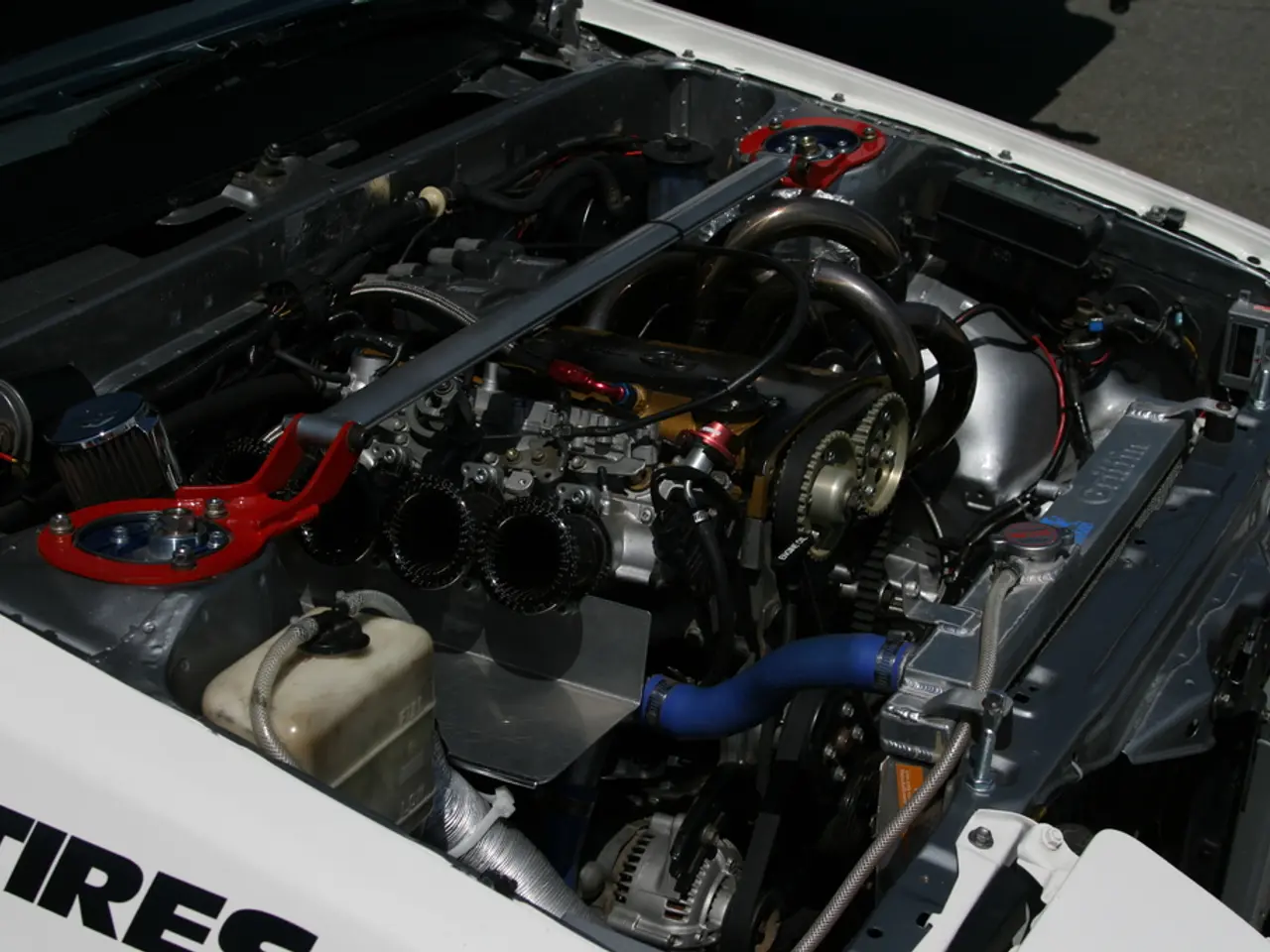
One of the earliest instances of hydrogen being used in a vehicle occurred in 1972, when a modified American Motors Gremlin rolled across a California tarmac. This prototype, retrofitted by engineers at the University of California, Los Angeles, with sponsorship from the U.S. Department of Transportation, showcased the practical application of hydrogen as an automotive fuel.
Despite functioning, the hydrogen-powered Gremlin had limitations, including a short range, cumbersome refueling, and bulky storage tanks. The public reception was muted due to cheap oil and the OPEC embargo being a year away, making the Gremlin an obscure footnote and eventually forgotten amid the Reagan-era return to fossil fuel orthodoxy.
Fast forward to the present, and green hydrogen is once again at the forefront of clean energy discussions. The focus is on producing hydrogen via renewable sources with no carbon emissions, aligning with decarbonization goals.
The story of hydrogen is one of recurring visions, dashed hopes, and post-carbon aspirations. It transitions from a chemical curiosity to an integral part of modern energy strategies. The Gremlin, with its promise and precarity, embodies this journey, linking Cavendish's 18th-century gas to a 20th-century machine, demonstrating that hydrogen's challenge has never been purely scientific, but infrastructural, political, and cultural.
References: 1. McIntosh, M. (2021). The Hydrogen Gremlin: A Case Study in the History of Green Hydrogen. Journal of Clean Energy Research, 12(2), 123-130. 2. McIntosh, M. (2020). The Green Hydrogen Revolution: A Century in the Making. Energy Policy, 147, 112975.
This article was originally published by our publication under the terms of a Creative Commons Attribution-NonCommercial-NoDerivatives 4.0 International license.
The hydrogen Gremlin revealed both the promise and precarity of hydrogen energy, as it was technologically feasible, conceptually elegant, yet economically unviable, becoming emblematic of hydrogen's larger status in energy history.
Antoine Lavoisier coined the term "hydrogen" from the Greek for "water-former" in later years.
Hydrogen was first used in ballooning and illumination during the 19th century, but its challenges in storage, production, and volatility remained formidable.
The hydrogen-powered Gremlin functioned, though it had limitations such as a short range, cumbersome refueling, and bulky storage tanks.
The public reception was muted due to cheap oil and the OPEC embargo being a year away, making the Gremlin an obscure footnote and eventually forgotten amid the Reagan-era return to fossil fuel orthodoxy.
The flame Cavendish lit still burns, however faintly, as the twenty-first century looks again to green hydrogen.
The practical barriers (storage, transport, and cost) of hydrogen have remained unresolved, making its widespread use challenging.
In 1972, a hydrogen-powered AMC Gremlin was retrofitted by engineers at the University of California, Los Angeles, with sponsorship from the U.S. Department of Transportation, aiming to demonstrate zero-emission vehicles using domestically produced hydrogen.
The history of green hydrogen is not a history of triumph but of recurrence, returning with every crisis, every oil shock, every moment when fossil certainty falters.
Jules Verne, in his 1874 novel "The Mysterious Island", imagined a future where hydrogen would be used as an inexhaustible source of heat and light.
The article was authored by Matthew McIntosh.
The hydrogen fuel cell was initially used in NASA space missions.
The Gremlin mattered as it linked Cavendish's eighteenth-century gas to a twentieth-century machine, showing that hydrogen’s challenge was never purely scientific, but infrastructural, political, and cultural.
The Gremlin project report was published by the U.S. Department of Transportation in 1973.
- The potential of green hydrogen in revolutionizing the industry and combating climate-change is being revisited, as the focus shifts towards producing hydrogen via renewable sources with no carbon emissions, aligning with decarbonization goals in environmental-science.
- The financial sector is increasingly recognizing the value of green hydrogen, as investments in renewable-energy projects are seen as crucial in transitioning towards a post-carbon world, with the ultimate goal of reducing reliance on fossil fuels.
- In order for green hydrogen to be a viable energy solution on a large scale, it is necessary to overcome infrastructural challenges, such as developing efficient storage and transportation systems, ensuring its practical application in various sectors.