"Transformative Impact: Trump Administration's Tomato Tariffs Reshaping American Agriculture"
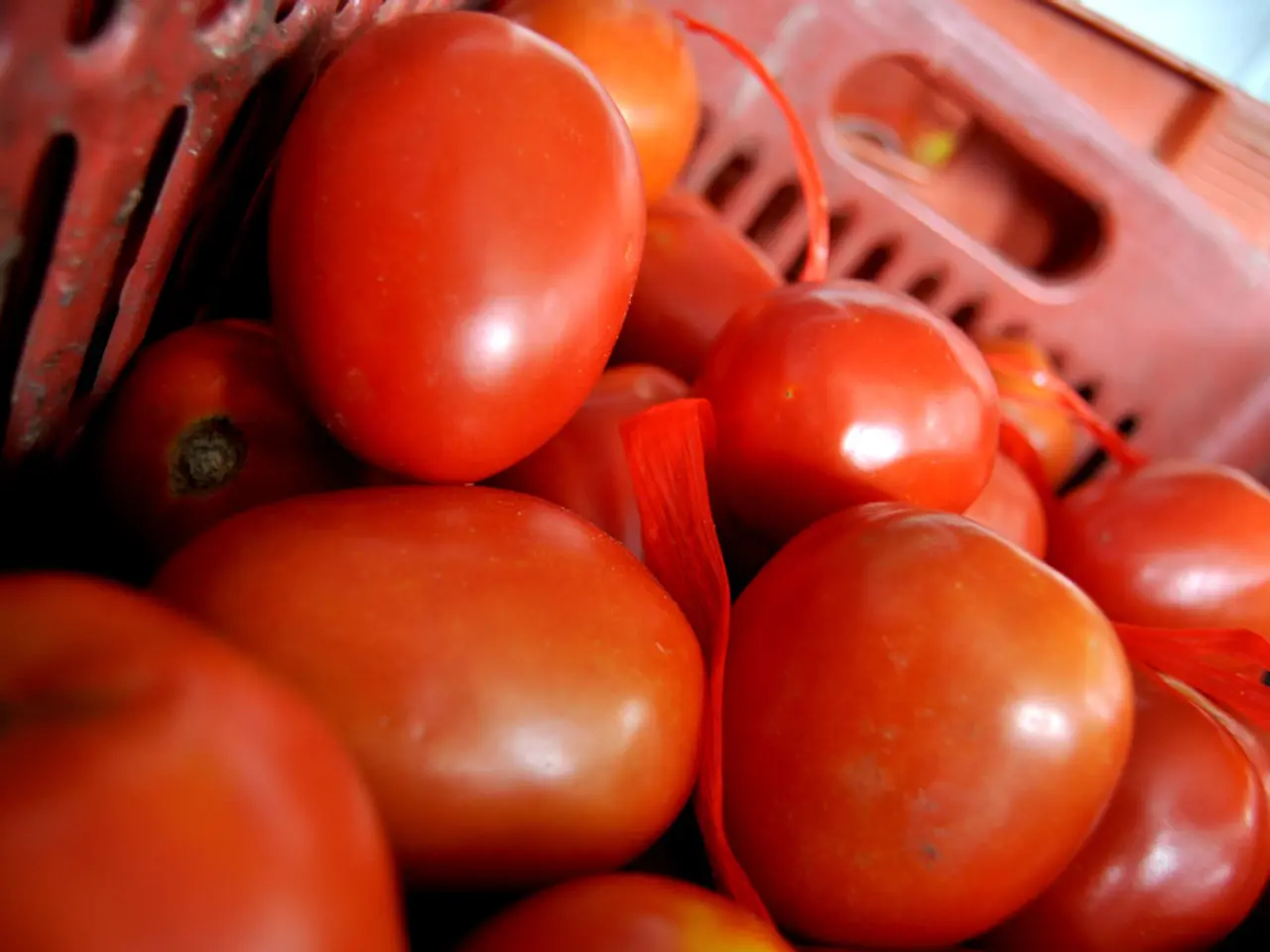
The Trump Administration's decision to impose tariffs on fresh Mexican tomato imports has sparked a significant debate within the American agricultural sector and beyond. The tariffs, ranging from about 17% to 21%, are intended to protect American industries and agriculture, but their effects are not universally welcomed.
Support from American Farmers
Florida tomato farmers, who account for a substantial portion of U.S. fresh tomato production, generally support the tariffs. For years, they have contended with cheap Mexican imports, which now make up about 70% of the U.S. tomato market. The tariffs are seen as a necessary measure to safeguard American growers from dumping practices and to maintain a competitive market with strong growers in both the U.S. and Mexico.
However, the tariffs have exposed a split among U.S. growers. While some view them as a long-overdue defense against unfair competition, others worry that they could destabilize the supply chain and raise costs, potentially harming growers who rely on Mexican labor or operations. This divide has been likened to a "Tomato War" within the industry.
Impacts on Business Owners and Consumers
Businesses and lawmakers representing import-dependent states express concerns about potential price increases and supply disruptions. They fear that the tariffs could make tomatoes more expensive and less available, affecting everything from grocery stores to salsa producers.
The tariffs follow the termination of the 1996 Tomato Suspension Agreement, which previously prevented dumping duties through pricing agreements with Mexican exporters. The administration argues that the deal failed to protect U.S. growers effectively, prompting the tariffs as part of a broader push for fairer trade with Mexico under Trump’s trade policies.
Voices from the Field
While specific details are scarce, some American farmers and business owners report positive effects from the tariffs, claiming they are a "game changer" that benefits domestic agriculture. For instance, Matt Rudd from Rudd Family Farm expects local and American-grown tomatoes to replace imported ones in grocery stores. Sam Newell from Fruit Fair believes the tariffs provide a more level playing field for local businesses.
In contrast, Mark Reuben from Gilcrease Orchard plans to maintain the price of tomatoes at $1.50/pound despite the tariffs, while Rich Troccio from Bloomfield Groceria states he doesn't buy from Mexico and prefers local products. Chad Smith from Smith Tomato Farm reports an increase in business inquiries since the tariffs.
The Future of the Tomato Industry
The long-term impact of the tariffs on the tomato industry remains uncertain. While they are intended to restore fairness and boost the economy for American farmers, growers, and business owners, they have also sparked concerns about price increases and supply issues. Only time will tell how the industry will reshape in response to these tariffs.
- The tariffs on fresh Mexican tomato imports have incited mixed reactions among American growers, with some applauding the measure as a long-awaited defense against unfair competition, while others worry about potential disruptions to the supply chain and increased costs.
- The tariffs are not only affecting American farmers and businesses but also the wider culture and finance, as they could lead to changes in theprice and availability of tomatoes, influencing everything from groceries to popular sauces like salsa, and altering the dynamics within the industry, ultimately impacting the American business sector and consumers.