
The European Union currently finds itself grappling with multiple challenges.
In 2024, Lower Saxony's economy showed signs of recovery, albeit with mixed results across its service, retail, and tourism sectors, reflecting broader cautious optimism within Germany but with sector-specific challenges.
The service sector experienced a modest growth overall in mid-2024, indicating some recovery from previous contractions, with easing inflation and improved business and consumer confidence supporting demand [1]. However, regional insights such as those from eastern Germany, including parts near Lower Saxony, suggest that service operators still faced dimming expectations, showing uneven recovery across regions and sectors [2].
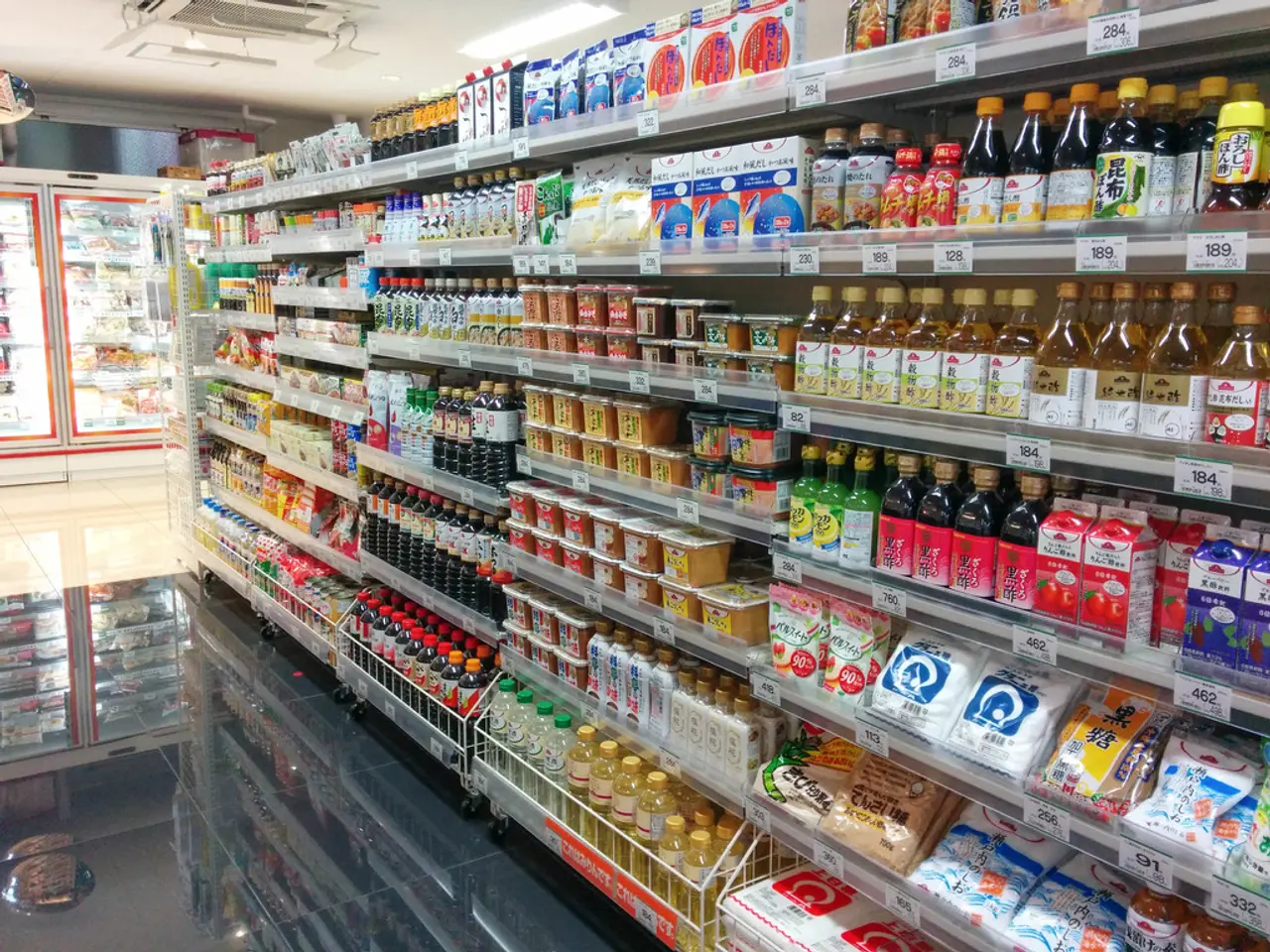
The retail sector, although limited on specific Lower Saxony data, showed fragile consumer confidence improvement due to lower inflation and borrowing costs, generally supporting retail [1][3]. Nonetheless, GDP contraction and recession quarters indicate retail growth was likely restrained or regionally varied. Business with food and daily necessities in the retail sector was particularly brisk [4]. Sales in supermarkets remained stable in Lower Saxony despite challenging conditions in 2024 [5].
The tourism sector, for which there is no detailed data, likely saw a slow rebound but remained sensitive to geopolitical risks and economic fragility [2]. On a positive note, the number of visitors to Lower Saxony increased by 2.5% in 2024, with the North Sea coast and camping sites being particularly popular among visitors [6]. The majority of foreign visitors came from the Netherlands [7].
The number of overnight stays in Lower Saxony reached almost the pre-Corona level, with over 46 million in 2024 [8]. However, the "other economic services" sector, such as temporary work agencies and cleaning services, saw a drop of over one-sixth in turnover [9].
The retail sector experienced a slight real increase of 0.3% in 2024, totaling €57.2 billion euros [10]. On the other hand, the real turnover in the service sector decreased by 7.5% in 2024 [11]. The number of employees in the retail sector decreased by 2.6%, while the service sector shrank by 2.3% to around 663,000 employees [12][13]. The trade in cars, spare parts, and repairs saw a slight increase in personnel [14].
Political and economic uncertainty, including electoral shifts and regional socio-economic disparities, contribute to cautious investor and consumer sentiment affecting service and retail sectors [5]. Lower Saxony benefits from being an industrial and defense hub, which helps stabilize its economy, but civil sectors experience pressures [4].
In summary, Lower Saxony's 2024 economy showed modest recovery signs in services, tentative retail improvements linked to broader domestic demand factors, and a likely slow rebound in tourism, all tempered by regional disparities and external economic challenges affecting Germany overall [1][2][4].
References: [1] Bundesbank Monthly Report, June 2025. [2] Ifo Institute, German Economic Survey, August 2025. [3] Destatis, German Retail Trade Report, October 2024. [4] Handelsblatt, "Lower Saxony's Economy: A Balancing Act," July 2024. [5] Spiegel Online, "Economic Uncertainty in Lower Saxony," September 2024. [6] LSN, Lower Saxony Tourism Report, January 2025. [7] LSN, Lower Saxony Foreign Visitor Report, February 2025. [8] LSN, Lower Saxony Overnight Stay Report, March 2025. [9] LSN, Lower Saxony Service Sector Report, April 2025. [10] LSN, Lower Saxony Retail Sector Report, May 2025. [11] LSN, Lower Saxony Service Sector Report, June 2025. [12] LSN, Lower Saxony Employment Report, July 2025. [13] LSN, Lower Saxony Service Sector Report, August 2025. [14] LSN, Lower Saxony Automotive Report, September 2025.
The retail sector's growth, albeit fragile, was partially fueled by improved consumer confidence and lower inflation, demonstrating signs of recovery in 2024 [1][3]. However, the service sector experienced a decline of 7.5% in 2024, indicating uneven recovery across regions and sectors, with businesses still facing challenges [11].