
Future PSU Arbitration Dispute Divides Legal Professionals at Oxford's 2025 Debate
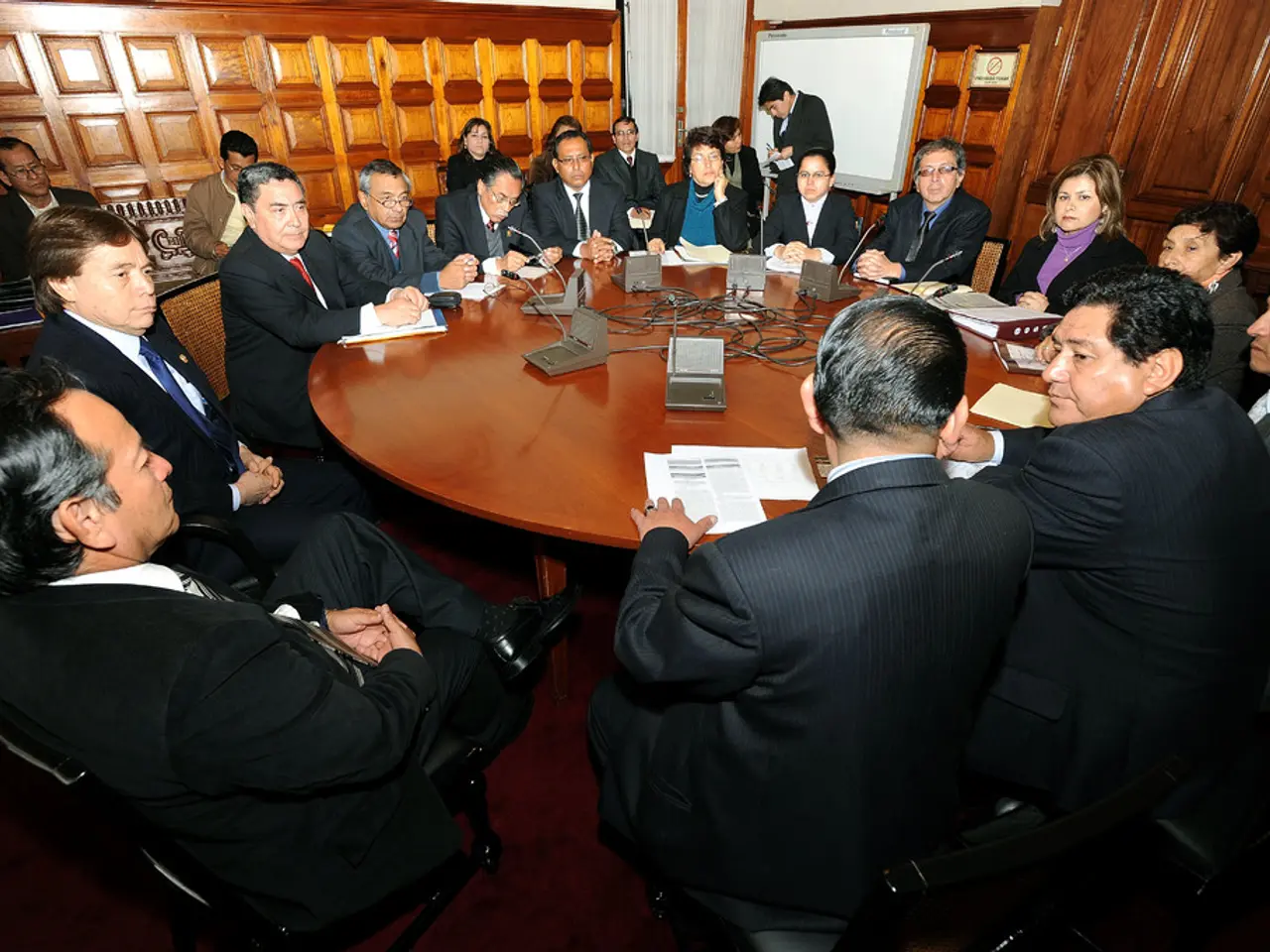
The Delhi Arbitration Weekend (DAW) 2025 hosted an Oxford Style debate at the India International Arbitration Centre located at the Delhi High Court, focusing on institutional arbitration as a potential solution for restoring public sector undertakings' (PSUs) confidence in arbitration.
The debate, which featured senior advocates and prominent figures in the legal community, raised several key issues concerning PSUs' reluctance to embrace institutional arbitration.
Chief Justice Devendra Kumar Upadhyaya observed that the high number of PSUs voting against institutional arbitration suggests a dissatisfaction with the current ad hoc arbitration system. This sentiment was echoed by Justice Hemant Gupta, who shared his experience of a prolonged 2012 arbitration case, indicating the failures of ad hoc processes.
Senior Advocates Dhyan Chinnappa, Rajshekhar Rao, and Manini Brar argued in favour of institutional arbitration, emphasizing its potential for discipline, consistency, and credibility in PSU disputes. Chinnappa criticized ad hoc arbitration, describing decisions made without evidence and arbitrary tribunal actions as "feeling arbitrations."
Brar noted that institutional rules impose discipline on timelines, providing certainty that can be a cost-saving measure. Rao argued that institutions could restore credibility by insulating PSU officers from the constant risk of vigilance and audit scrutiny.
However, Senior Advocates Akshay Bhan and Jayant Mehta, along with Advocate Payal Chawla, argued against institutional arbitration, contending that it was not a panacea and that PSUs were better off turning to litigation. Bhan described institutional arbitration as "old wine in a new bottle," and argued that PSUs saw litigation as safer and more predictable.
Anju Rathi Rana, as the chair of an arbitral institution, expressed a focus on restoring PSUs' confidence and improving the quality of every award delivered in India's arbitration system. Rana also emphasized the importance of building trust, expanding access, and ensuring quality in India's arbitration ecosystem.
The debate also underscored the need for addressing the contradiction between the government's promotion of arbitration and its discouragement of PSUs from using it. The safest bureaucratic choice within PSU structures is always to appeal, regardless of the case's merit. This dichotomy needs to be resolved for India to become a significant arbitration hub.
The award's quality is not guaranteed by institutional rules, as a bad award remains bad regardless of its origin. Nevertheless, the Delhi Arbitration Weekend (DAW) in 2025 continues to address the challenges and potential solutions for PSUs' confidence in arbitration. The ongoing need for policy reform to change the systemic disincentives within PSU structures was highlighted during the debate at the India International Arbitration Centre at the Delhi High Court.
Read also:
- Deepwater Horizon Oil Spill: BP Faces Record-Breaking Settlement - Dubbed 'Largest Environmental Fine Ever Imposed'
- Historic downtown temples to receive restoration funds totaling over 25 million pesos
- Cars' Environmental Impact Explained
- Lawsuit of Phenomenal Magnitude: FIFA under threat due to Diarra's verdict, accused of player injustice




