Discussing Pivotal Insurance Perils for Builders: Topics Brokers Need to Explore with Construction Customers
Five Essential Discussions for Appropriate Construction Insurance Coverage
In the dynamic world of construction, understanding a client's unique risk profile is crucial for tailoring insurance solutions that offer comprehensive coverage. Martin Parker, Head of Construction at specialist insurer Markel, highlights the importance of discussing the following five areas with construction clients.
- Scope of Operations and Project Types
Brokers must grasp the client’s full range of operations, from general building and civil engineering to M&E and internal finishing, as each project type carries unique risks and regulatory requirements. Discussing contract structures and subcontractor use is essential to determining liability and coverage needs.
- Commercial General Liability (CGL) Coverage
This foundational policy covers third-party bodily injury, property damage, completed operations, and advertising injury claims. Brokers should discuss appropriate limits based on jurisdiction and project size to protect against potentially large injury awards, ensuring limits meet client and contractual requirements.
- Workers’ Compensation
Brokers need to ensure state-specific workers’ compensation requirements are met to protect employees injured on the job. Proper classification of trades is vital to set accurate premiums and avoid penalties, making this a legally required and essential aspect of risk management.
- Builder’s Risk Insurance
This insurance protects the physical structure, materials, and equipment under construction against risks like fire, theft, vandalism, weather events, and transit damage. It is crucial for covering the increasing project value during construction and may include soft costs and delay coverage to prevent catastrophic financial losses.
- Additional Coverages
These include commercial auto insurance for vehicles used in operations, tools and equipment insurance to protect essential machinery and tools, professional liability or errors and omissions insurance to cover design or workmanship claims, and umbrella liability policies to extend coverage limits and provide broader protection.
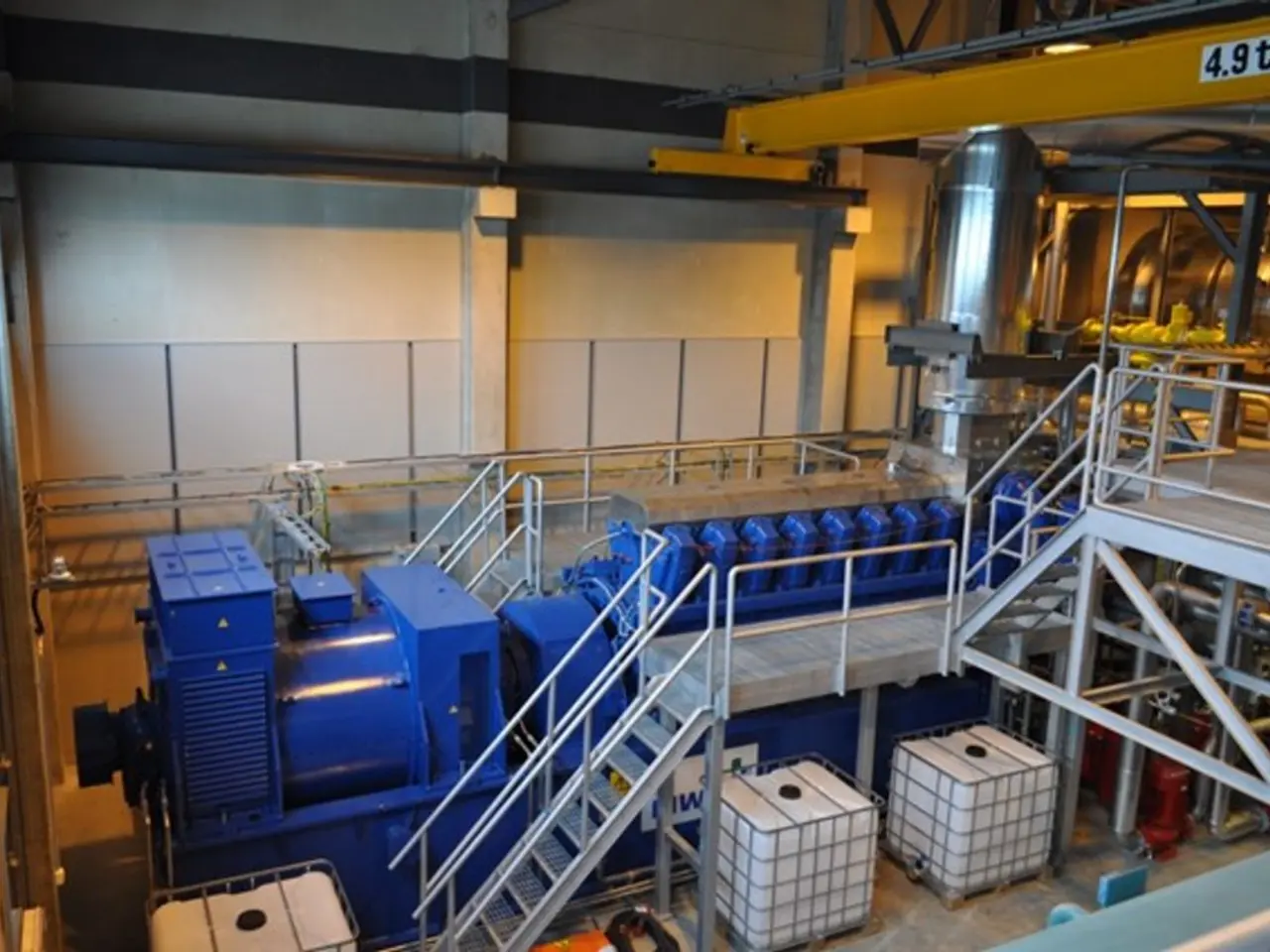
In addition to these discussions, several other factors should be considered. The extent of excavation on a construction site, the existence and type of energy sources, the need for lenders' interest extensions or payment protections, and the potential for design-specific exposures are all important considerations. Furthermore, most construction contracts include clauses requiring specific insurance arrangements, and insurers need to be aware of the details surrounding these, including who the named insurer is, minimum limits required, and contractual obligations.
By engaging in these discussions, brokers can tailor insurance solutions to the client’s unique risk profile, project complexity, regulatory environment, and contract terms, thereby ensuring appropriate and comprehensive coverage.
The importance of insurtech in the construction sector extends to automating and streamlining discussions surrounding events such as the extent of excavation, energy sources, and lenders' interest extensions, offering a more efficient approach to understanding and managing these factors.
Brokers should also incorporate reinsurance as part of their discussions with clients to mitigate potential financial losses in high-risk areas, particularly during complex construction events.
Martin Parker's opinion emphasizes that considering additional coverages like commercial auto insurance, tools and equipment insurance, professional liability, and umbrella policies is pivotal in creating a complete finance strategy for a construction business, ensuring comprehensive protection for various aspects of the project.