
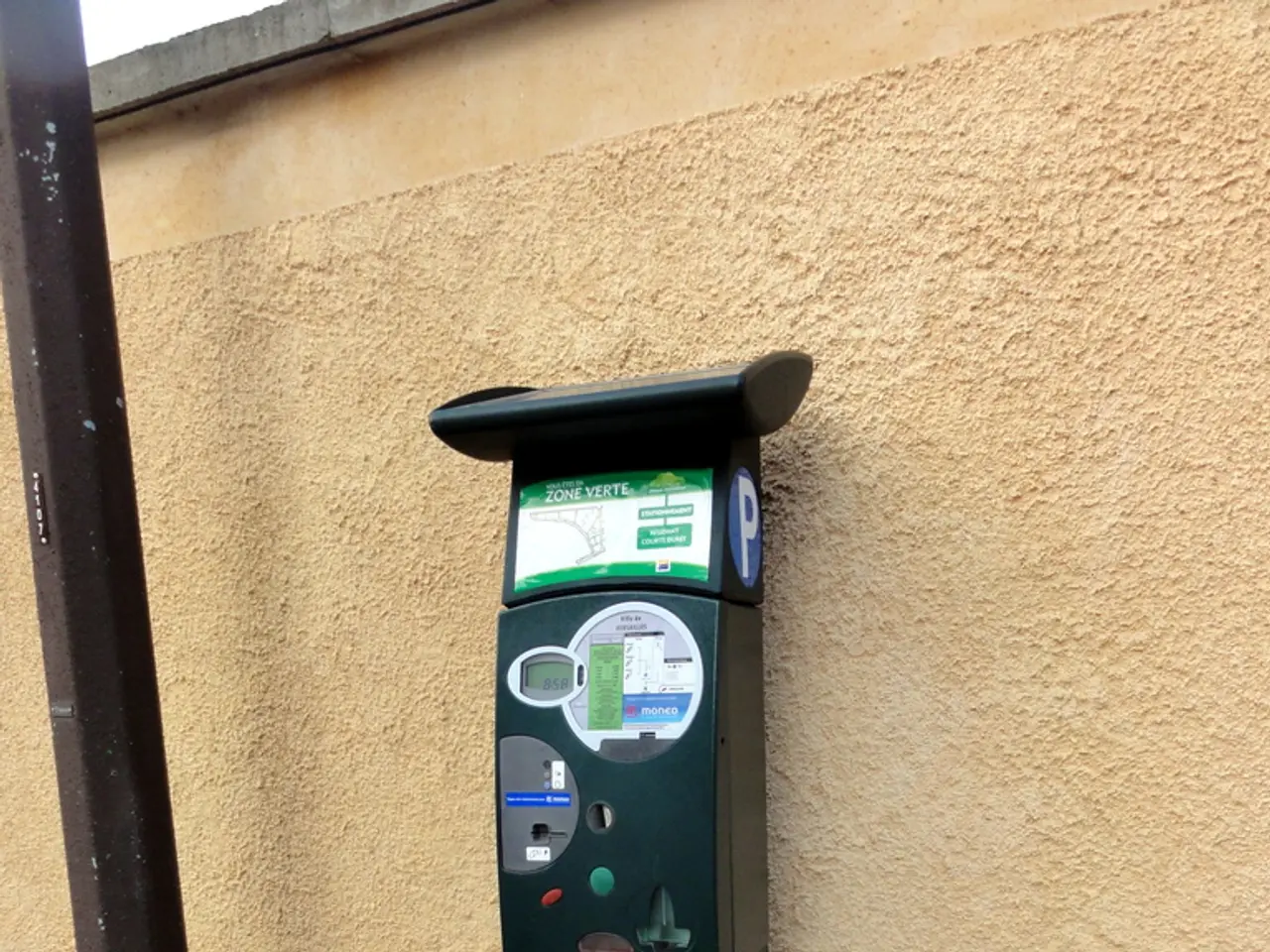
Banks Shift Towards Digital Services: The Case of DKB and Cash Machine Closures
Bank Shuts Down All Automated Teller Machines Permanently
The banking landscape in Germany is undergoing a significant transformation, with an increasing number of banks closing branches and ATMs. This shift towards digital services is driven by several factors, including the rise of digital transactions, cost-cutting measures, and competition from challenger banks.
One of the latest examples of this trend is the second-largest German direct bank, DKB. As of June 30, 2025, DKB has officially discontinued the operation of its own cash machines. This decision is a notable example of the trend towards fewer cash machines, a trend that has been ongoing for several years.
The Impact on Citizens
The decrease in cash machines has consequences for citizens. DKB customers who want to deposit money can use a ReiseBank branch, but the service is not free. Obtaining cash may also require citizens to travel long distances, as the number of cash machines is expected to decrease by 3% by 2024.
However, there are alternatives for citizens to withdraw cash. While some banks close branches, many still maintain ATMs at their remaining locations. Customers can also use ATMs from other banks, although this may incur fees for non-account holders.
In the UK, the Post Office provides banking services, including cash withdrawals, at many locations. Some areas are also establishing banking hubs shared by multiple banks to provide access to cash services.
The Rise of Digital Banking
Citizens can also utilize digital banking apps to manage their accounts and potentially use services like ATM-less cash withdrawals in some cases. The use of cards and smartphones for payments is likely to be more cost-effective in the long run, as cash remains in use but its usage decreases.
The Federal Bank has reported the decrease in the number of cash machines, highlighting the shift towards digital services. This shift is not only a cost-cutting measure but also a response to the increasing preference for digital transactions among consumers.
Despite the trend towards digital banking, cash remains in use, particularly for small transactions and among certain demographics. However, the convenience and cost-effectiveness of digital banking services are likely to continue driving the shift away from cash and towards digital transactions.
Conclusion
The closure of cash machines is a significant development in the banking sector. While it may present challenges for some citizens, particularly those who don't live centrally, the rise of digital banking offers numerous alternatives for cash access. As the trend towards digital banking continues, it is essential for citizens to adapt and make use of these alternatives to ensure they can manage their finances effectively.
Other industry players, like the banking-and-insurance sector in the UK, are also adapting to the digital transformation in response to the increasing preference for digital transactions among consumers. The Post Office in the UK, for instance, provides banking services, including cash withdrawals, at many locations.
The use of digital banking apps for managing accounts and potentially ATM-less cash withdrawals opens up new possibilities in the finance market, further highlighting the financial industry's move away from traditional catering methods and towards digital services.




